Introduction
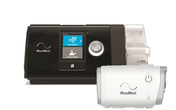
One of the most common questions patients ask when shopping for sleep apnea equipment is whether they need a travel CPAP machine, a home CPAP machine, or both. The terms describe two genuinely different categories of device — not simply smaller and larger versions of the same product. Travel CPAP machines, such as the ResMed AirMini, Transcend Micro, and HDM Z2 Auto, are built around portability, often sacrificing humidifier capacity, water-based humidification, and certain comfort features in exchange for size and weight savings measured in ounces. Home CPAP machines, such as the ResMed AirSense 10, AirSense 11, and Philips DreamStation 2, prioritize integrated heated humidification, larger displays, broader data ecosystems, and long-term durability for nightly use.
Many CPAP users in Canada end up owning one of each — a home machine for nightly use at the bedside, and a travel machine for flights, camping, and trips where packing light matters. This page breaks down the practical differences between the two categories so you can decide whether a travel machine, a home machine, or both make sense for your situation. As always, any changes to your prescribed CPAP therapy should be discussed with your healthcare provider or sleep specialist.

Quick Comparison Overview
| Feature | Travel CPAP Machines | Home CPAP Machines |
|---|---|---|
| Typical Weight | Under 1 lb (0.48–0.66 lbs) | 2–3 lbs or more |
| Typical Size | Palm-sized, roughly 3–6 inches | Bedside-sized, roughly 6–10 inches |
| Humidification | Waterless HME (heat moisture exchange) | Integrated heated water humidifier |
| Heated Tubing | Not typically included | Often included or available |
| Display | Minimal or app-controlled | Colour LCD or touchscreen |
| Battery Power | Often available as a dedicated accessory | Requires separate third-party battery |
| FAA Compliant | Yes (designed for air travel) | Varies — confirm before flying |
| App Connectivity | Yes — typically Bluetooth, phone-based | Yes — typically cloud-based, automatic |
| Noise Level | Often very quiet (under 30 dBA) | Quiet, varies by model |
| Pressure Range | Comparable therapeutic range to home machines | Comparable therapeutic range to travel machines |
| Mask Compatibility | Varies — some models limited to specific interfaces | Typically compatible with all masks |
| Intended Use | Short-term, occasional, or supplementary use | Nightly, long-term primary therapy |
| Typical Price Range | Lower | Higher |
| Warranty | Typically 2 years | Typically 3 years |
The core distinction is not a difference in the quality of therapy delivered — both categories use clinically validated auto-adjusting pressure technology. The difference lies in the trade-offs each category makes to achieve its primary goal: portability for travel machines, and comfort and convenience features for home machines.
Size, Weight, and Portability
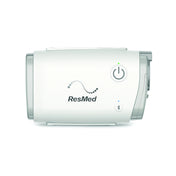
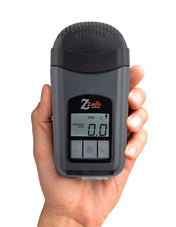
This is the most obvious and most important difference between the two categories. Travel CPAP machines are engineered from the ground up to minimize size and weight. Devices like the Transcend Micro weigh under half a pound and measure under four inches across, while the ResMed AirMini and HDM Z2 Auto sit in a similar range — all designed to fit in the palm of a hand or slip into a small section of a carry-on bag.
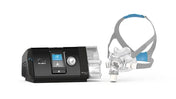
Home CPAP machines like the AirSense 10, AirSense 11, and DreamStation 2 are not designed with portability as a primary goal. The DreamStation 2, for example, weighs roughly 2.3 to 2.9 lbs depending on configuration — several times heavier than any travel machine — and is sized to accommodate a full integrated humidifier system, a larger display, and internal components built for years of continuous nightly use rather than minimal weight.
Humidification: Waterless vs Heated Water Systems
Humidification is one of the clearest functional trade-offs between these two categories. Most travel CPAP machines use waterless heat moisture exchange (HME) technology — a passive system that captures humidity from the user's exhaled breath and recycles it back into the airstream, rather than heating a reservoir of water. This eliminates the need to carry and refill distilled water while travelling, which is a major practical advantage, but it generally provides a more modest humidification effect than an active heated humidifier.
Home CPAP machines use integrated heated water humidifiers — a water chamber that is actively heated to add moisture to the airstream, often paired with heated tubing and climate control technology that adjusts humidity output based on room conditions. This delivers a more substantial and consistent humidification effect, which matters for patients who experience dryness, congestion, or throat irritation during therapy. The trade-off is the need to fill, empty, and clean a water chamber daily, and to always carry distilled water — impractical for travel but a non-issue at home.
Patients who rely heavily on humidification for comfort should be aware that a travel machine's waterless HME system, while effective for short trips, may not fully replicate the humidification level they are used to from a home machine with active heating.
Battery Power and Off-Grid Use
Travel CPAP machines are far more likely to offer a purpose-built battery accessory designed specifically for the device. The Transcend Micro has its PowerAway Battery, and other travel machines on the market offer similar dedicated battery solutions, making it straightforward to run therapy for one or more nights without access to an electrical outlet — useful for camping, remote travel, or as an emergency backup.
Home CPAP machines generally do not have a manufacturer-specific battery option built for portability. Patients who want battery backup for a home machine typically need a separate third-party CPAP battery, such as the Zopec Explore 5700 or Medistrom Pilot-24 Lite, both of which are designed to work across a range of CPAP models including many home machines.
Comfort Features, Display, and App Support
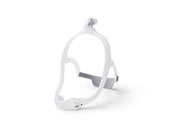
Home CPAP machines generally include more robust comfort and monitoring features. The AirSense 11, for example, includes a full touchscreen, sleep onset detection, expiratory pressure relief, and the myAir app with guided setup and ongoing coaching support. The DreamStation 2 offers Ramp Plus with a configurable starting pressure, Flex pressure relief, and in-session comfort adjustments without needing to pause therapy. These richer feature sets are possible in part because home machines are not constrained by the same size and weight limitations as travel devices.
Travel CPAP machines tend to offer a more pared-down feature set, focused on essential therapy delivery, ramp, and basic pressure relief, with comfort and data features often managed primarily through a companion smartphone app rather than an onboard display. This is a deliberate design trade-off — fewer onboard controls and a smaller display in exchange for a significantly smaller and lighter device.
Both categories offer app connectivity for tracking therapy data, though the specific implementation differs by manufacturer and model. Patients who value a guided, feature-rich nightly experience generally find home machines better suited to that role, while travel machines prioritize simplicity and minimal physical footprint above all else.
Mask Compatibility Considerations
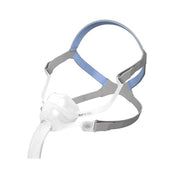
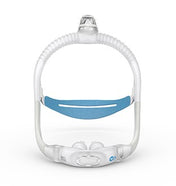
Mask compatibility can vary more for travel machines than for home machines. Some travel CPAP machines — most notably the ResMed AirMini — are designed as an integrated system that works only with specific ResMed mask interfaces and corresponding setup packs. Other travel machines, like the Transcend Micro and HDM Z2 Auto, use a standard hose connection compatible with any mask using a 22mm fitting, offering broader flexibility.
Home CPAP machines are typically compatible with masks from any manufacturer without restriction, since they use a standard connection point. If you already have a preferred mask and are considering a travel machine, it is worth confirming compatibility before purchasing — particularly for integrated systems like the AirMini, which require a specific setup pack matched to your mask type.
Which Type of Machine Do You Need
For most patients, the decision is not strictly either-or. Many CPAP users maintain a home machine for nightly use and a travel machine for trips, while others use a single travel machine as their only device if their lifestyle calls for frequent movement and minimal home setup.
A home CPAP machine may be the right primary choice if you:
- Use your machine every night in the same location and prioritize consistent, full-featured therapy
- Rely on active heated humidification for comfort, particularly in dry climates or during winter
- Want a larger display and more comprehensive in-app coaching and support tools
- Are not frequently travelling by air or camping off-grid
A travel CPAP machine may be worth adding to your setup if you:
- Travel by air regularly and want to minimize carry-on weight and bulk
- Camp, hike, or spend time in locations without reliable access to electrical outlets
- Want a dedicated battery-powered option for emergency backup or off-grid use
- Prefer not to pack a full water-based humidifier system when away from home
Explore Specific Machine Comparisons
If you have narrowed down your decision and want to compare specific models within each category, the following comparisons may help:
Frequently Asked Questions
Is a travel CPAP machine as effective as a home CPAP machine?
Both travel and home CPAP machines use clinically validated auto-adjusting pressure technology to treat obstructive sleep apnea, and both can deliver effective therapy within their prescribed pressure range. The differences between the categories are primarily about comfort features, humidification method, size, and convenience rather than the core therapeutic mechanism. Patients should still follow their prescribed settings and consult their healthcare provider regarding any change in device.
Can I use a travel CPAP machine as my only CPAP machine?
Yes, many patients use a travel CPAP machine as their sole device, particularly those who travel frequently, live in smaller spaces, or prefer the smallest possible equipment footprint. The main trade-off is typically humidification — waterless HME systems on travel machines provide a more modest humidification effect than the active heated humidifiers found on home machines. Patients who do not rely heavily on humidification, or who are comfortable with a waterless system, often find a travel machine works well as a primary device.
Do I need both a home machine and a travel machine?
It depends on your travel habits and comfort preferences. Many patients keep a home machine at the bedside for nightly use, where full humidification and a larger display are convenient, and use a separate travel machine specifically for trips where packing light matters. This is not a requirement, but it is a common approach among patients who travel several times per year and want the full comfort features of a home machine when they are not travelling.
Why don't travel CPAP machines use water-based humidifiers?
Water-based humidifiers add bulk, weight, and the inconvenience of carrying and refilling distilled water — all factors that work against the core design goal of a travel machine, which is minimal size and weight. Waterless heat moisture exchange (HME) technology allows travel machines to provide a degree of humidification without a water reservoir, keeping the device compact and eliminating the need to pack water while travelling.
Are travel CPAP machines allowed on airplanes?
Most travel CPAP machines are specifically designed and marketed as FAA-compliant for use during commercial flights. Many home CPAP machines are also air-travel compliant, but this should be confirmed for your specific model before flying. It is generally recommended to carry your CPAP machine as a carry-on item, regardless of category, and to notify your airline in advance.
Can I use a battery with my home CPAP machine for camping or power outages?
Yes. While home CPAP machines do not typically have a manufacturer-specific battery accessory the way many travel machines do, third-party CPAP batteries such as the Zopec Explore 5700 or Medistrom Pilot-24 Lite are designed to be compatible with a range of CPAP machines, including many popular home models. Confirm compatibility with your specific machine before purchasing a battery.
Will my current mask work with a travel CPAP machine?
This depends on the specific travel machine. Some, like the Transcend Micro and HDM Z2 Auto, use a standard 22mm connection compatible with most masks on the market. Others, like the ResMed AirMini, are designed as an integrated system that requires a specific ResMed mask interface and a corresponding setup pack. Confirm compatibility with your existing mask before purchasing a travel machine, particularly for integrated systems.
Need Help Choosing Between a Travel and Home CPAP Machine?
If you are still deciding between a travel machine, a home machine, or both, our team is here to help. We can walk through your travel habits, mask preferences, and comfort priorities to help you find the right setup for your therapy.
CPAP Machines Canada
Website: cpapmachinescanada.ca
Toll Free: +1 (877) 820-4878
Email: support@cpapmachinescanada.ca