Introduction
There are three primary categories of CPAP mask available to sleep apnea patients: the nasal CPAP mask, the nasal pillow CPAP mask, and the full face CPAP mask. Each takes a different approach to delivering therapy, and each suits a different combination of breathing pattern, comfort preference, and prescribed pressure. Rather than comparing just two at a time, this guide places all three CPAP mask types side by side so you can see exactly where each one sits on the spectrum from minimal coverage to full coverage.
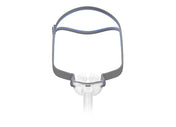
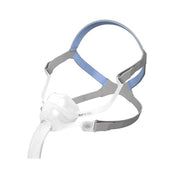
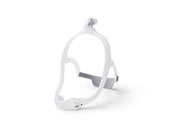
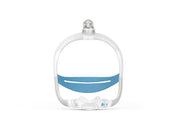
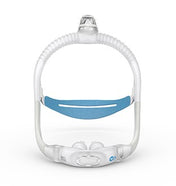
At one end is the nasal pillow CPAP mask — such as the ResMed AirFit P10 — which contacts the face only at the nostrils. In the middle sits the nasal CPAP mask — such as the ResMed AirFit N20, AirTouch N20, or Fisher and Paykel Nova Nasal — which seals around the outside of the nose. At the other end is the full face CPAP mask — such as the ResMed AirFit F20 — which seals over both the nose and mouth. This guide compares all three across coverage, comfort, breathing pattern suitability, and pressure tolerance, and includes a simple decision path to help you narrow down which CPAP mask category to try first. As always, consult your healthcare provider or sleep specialist regarding your specific CPAP mask and therapy needs.

Quick Comparison Overview
| Feature | Nasal Pillow CPAP Mask | Nasal CPAP Mask | Full Face CPAP Mask |
|---|---|---|---|
| Coverage Area | Nostrils only | Outside of the nose | Nose and mouth |
| Suitable for Mouth Breathers | No | No | Yes |
| Suitable for Nasal Congestion | Not ideal | Not ideal | Functions even with congestion |
| Face Contact | Minimal | Moderate | Extensive |
| Weight | Lightest | Light to moderate | Heaviest |
| Field of View | Fully unobstructed | Mostly unobstructed | More restricted |
| Glasses-Friendly | Yes | Generally yes | Often more difficult |
| Claustrophobia-Friendly | Highest | Moderate to high | Lower — can feel confining |
| Pressure Tolerance | Can feel concentrated at higher pressures | Distributed, moderate tolerance | Often best tolerated at higher pressures |
| Headgear Complexity | Minimal, auto-adjusting | Moderate, structured | Most structured, multi-point |
| Assembly and Cleaning | Fastest | Moderate | Most involved |
| Risk of Facial Marks | Lowest | Low to moderate | Highest, especially early in therapy |
| Typically Recommended For | Confirmed, consistent nasal breathers wanting minimal contact | Confirmed nasal breathers wanting a balanced seal | Mouth breathers or uncertain breathing pattern |
All three CPAP mask types use clinically validated sealing technology and are compatible with the same range of auto-adjusting and standard CPAP machines. The differences are in coverage, comfort, and breathing pattern suitability — not in the underlying quality of therapy delivered.
The Coverage Spectrum, Explained
The easiest way to understand these three CPAP mask types is to think of them as points along a single spectrum, ranging from minimal facial contact to maximum facial contact.
At the minimal end is the nasal pillow CPAP mask, which seals directly at the nostril opening using small, soft cushions. There is no frame across the cheeks, no cushion on the nose bridge, and headgear so light it is often barely noticeable. This is the lightest and least intrusive CPAP mask available.
In the middle sits the nasal CPAP mask, which seals around the outside of the nose — contacting the nose bridge, the sides of the nose, and the area above the upper lip. This offers a broader, more distributed seal than a nasal pillow, while still covering significantly less of the face than a full face design.
At the maximum end is the full face CPAP mask, which seals over both the nose and the mouth, extending from the nose bridge down past the mouth to the chin area. This is the most substantial CPAP mask in terms of coverage, frame size, and headgear structure, but it is also the only one of the three capable of delivering effective therapy regardless of whether the patient breathes through the nose, the mouth, or both.
A Simple Decision Path
If you are not sure where to start, the following sequence of questions can help narrow down which CPAP mask category to try first.
This decision path is a starting point, not a clinical diagnosis. Many patients try more than one CPAP mask type before settling on their preference, and that process is a normal part of finding the right fit for long-term therapy.
Comfort and Claustrophobia Across All Three
Facial coverage and the sensation of claustrophobia tend to move together across these three CPAP mask types. The nasal pillow CPAP mask is generally regarded as the most comfortable option for patients who feel confined by masks, since it leaves the cheeks, nose bridge, and mouth completely uncovered. The nasal CPAP mask sits in the middle — covering more of the face than a nasal pillow, but still leaving the mouth and lower face free, which most patients find manageable even if they are sensitive to facial coverage. The full face CPAP mask covers the most surface area and can feel the most confining initially, though most patients adapt within the first one to two weeks of consistent use.
Glasses-wearers and patients who read or use a phone before sleep often prefer the reduced frame of a nasal pillow or nasal CPAP mask, since both leave more of the upper face and field of view open. A full face CPAP mask's larger frame can interfere with glasses and peripheral vision more noticeably, which is a small but real consideration for some patients' nightly routine.
At a Glance — Who Each CPAP Mask Type Suits
Minimal Coverage
Nasal Pillow CPAP Mask
- Confirmed, consistent nasal breathers
- Patients who feel claustrophobic in larger masks
- Glasses-wearers wanting an unobstructed fit
- Low to moderate prescribed pressure
- Those who want the fastest daily routine
Balanced Coverage
Nasal CPAP Mask
- Confirmed nasal breathers wanting a broader seal
- Patients sensitive to concentrated nostril pressure
- Those who want a balance of comfort and security
- Moderate prescribed pressure
- Patients who want cushion material options (e.g. silicone or memory foam)
Full Coverage
Full Face CPAP Mask
- Mouth breathers or uncertain breathing pattern
- Patients with frequent nasal congestion or allergies
- Those prescribed higher therapy pressure
- Patients who have leaked or woken with dry mouth using nasal masks
- New patients whose breathing pattern is still being assessed
Explore Pairwise and Product Comparisons
For a closer look at any two CPAP mask categories, or specific models within each, the following comparisons may help:
Frequently Asked Questions
What are the three main types of CPAP mask?
The three primary CPAP mask categories are the nasal pillow mask, which seals directly at the nostril opening; the nasal mask, which seals around the outside of the nose; and the full face mask, which seals over both the nose and mouth. Each represents a different point on the spectrum from minimal to maximum facial coverage, and each suits different breathing patterns, comfort preferences, and prescribed pressures.
Which CPAP mask type is best overall?
There is no single CPAP mask type that is best for every patient. The right choice depends primarily on whether you breathe through your nose, your mouth, or both during sleep, along with your prescribed pressure and personal comfort preferences. A nasal pillow mask suits confirmed nasal breathers who want minimal coverage. A nasal mask suits confirmed nasal breathers who prefer a broader seal. A full face mask suits mouth breathers or patients with an uncertain breathing pattern. Many patients try more than one type before finding their preferred fit.
What is the single biggest factor in choosing between these three CPAP mask types?
Breathing pattern is the most important clinical factor. Both the nasal pillow mask and the nasal mask rely entirely on the user breathing through their nose to maintain an effective seal — neither covers the mouth. The full face mask is the only type of the three that delivers effective therapy regardless of whether the patient breathes through the nose, the mouth, or both. Patients who are unsure of their breathing pattern, or who have experienced leaks or dry mouth with a nasal-only mask, are often better suited to a full face mask.
Can I try more than one CPAP mask type to see which I prefer?
Yes, and this is common, particularly for new CPAP patients. Most CPAP machines use a standard hose connection compatible with all three mask categories, so switching between a nasal pillow mask, a nasal mask, and a full face mask typically does not require any other equipment changes. Some integrated travel CPAP systems require a specific setup pack matched to the mask interface chosen, so compatibility should be confirmed for those systems specifically.
Does CPAP mask type affect how well my therapy pressure is tolerated?
Yes, to some degree. A nasal pillow mask concentrates airflow at the nostril opening, which some patients find more noticeable at higher prescribed pressures. A nasal mask distributes that sensation across a broader area around the nose. A full face mask distributes pressure across the widest sealing surface of the three and is often well tolerated at higher pressures. This is not a universal rule, and many patients tolerate all three mask types comfortably across a range of pressures, particularly with a gradual ramp setting enabled on their CPAP machine.
Which CPAP mask type is easiest to clean and maintain?
The nasal pillow mask is generally the fastest and simplest to assemble, wear, and clean, owing to its minimal frame and small number of components. The nasal mask involves a moderately larger cushion and frame, requiring a similar but slightly more involved cleaning routine. The full face mask has the largest surface area and the most structured headgear of the three, which means slightly more material to clean daily, though the routine itself follows the same basic steps across all three CPAP mask types.
Should new CPAP patients start with a particular mask type?
There is no universal rule, but some care providers recommend that new patients with an uncertain breathing pattern start with a full face mask, since it removes any guesswork around mouth versus nasal breathing during the early weeks of therapy. Patients who are confident they breathe consistently through their nose often start directly with a nasal mask or nasal pillow mask based on their comfort preference. Discuss your specific situation with your healthcare provider or a CPAP specialist, who can recommend a starting point based on your prescription and any known breathing pattern history.
Need Help Choosing the Right CPAP Mask?
If you are unsure which of the three CPAP mask types is the right starting point for your therapy, our team is here to help. We can walk through your breathing pattern, prescribed pressure, and comfort preferences to help you find the right fit.
CPAP Machines Canada
Website: cpapmachinescanada.ca
Toll Free: +1 (877) 820-4878
Email: support@cpapmachinescanada.ca