Introduction
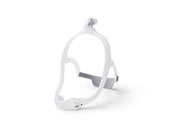
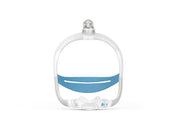
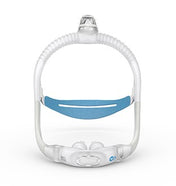
For patients who breathe through their nose during sleep, two mask categories typically come up early in the search: nasal masks and nasal pillow masks. Both are designed for nasal breathers and both are widely used, but they take noticeably different approaches to achieving a seal. A nasal mask — such as the ResMed AirFit N20, AirTouch N20, or Fisher and Paykel Nova Nasal — covers and seals around the outside of the nose, similar in shape to a small ski-goggle profile over the nose bridge and sides. A nasal pillow mask — such as the ResMed AirFit P10 — uses small soft cushions that insert directly into the nostrils, leaving the rest of the face essentially untouched.
Neither category is universally better; each suits different facial structures, comfort preferences, and sleep habits. This page explains the practical differences between nasal masks and nasal pillow masks so you can narrow down which category is worth trying first. As always, consult your healthcare provider or sleep specialist regarding your specific mask and therapy needs.

Quick Comparison Overview
| Feature | Nasal Mask | Nasal Pillow Mask |
|---|---|---|
| Seal Location | Around the outside of the nose | Directly inside the nostrils |
| Face Coverage | Moderate — nose bridge, sides of nose, upper lip area | Minimal — nostrils only |
| Typical Weight | Slightly heavier due to larger frame and cushion | Very light — minimal frame and materials |
| Field of View | Can be slightly obstructed by frame | Largely unobstructed |
| Glasses-Friendly | Varies by model | Generally yes — minimal frame near eyes |
| Pressure Tolerance | Often better tolerated at higher pressures | Can feel more direct at higher pressures |
| Sensitivity to Nostril Contact | Not applicable — no nostril insertion | May be uncomfortable for sensitive nostrils |
| Claustrophobia-Friendly | Moderate | Generally high — minimal facial coverage |
| Headgear | Typically more structured, multi-point | Typically minimal, auto-adjusting elastic |
| Noise | Varies by model | Often designed with low-noise venting |
| Suitable for Mouth Breathers | No | No |
| Cushion Sizes | Typically one size per cushion purchase | Often multiple sizes included in one package |
Both categories rely entirely on the user breathing through the nose to function effectively, and neither is appropriate for patients who breathe through their mouth during sleep. Within that shared requirement, the practical experience of wearing each style differs significantly.
How Each Mask Type Seals
Nasal Masks — Sealing Around the Nose
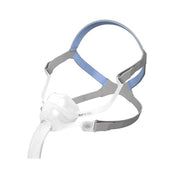
A nasal mask uses a cushion — typically silicone or memory foam — that rests against the skin surrounding the nose, forming a seal along the nose bridge, the sides of the nose, and the area just above the upper lip. This broader sealing surface distributes contact across a wider area of the face rather than concentrating it at a single point. Masks like the ResMed AirFit N20 use this approach with a soft, flexible frame designed to move with the face during sleep, while the Fisher and Paykel Nova Nasal takes a similar approach with its RollFit cushion positioned slightly lower on the nose to reduce bridge pressure.
Because the seal covers a broader surface, nasal masks can sometimes accommodate higher therapy pressures more comfortably than nasal pillows, since the pressure sensation is distributed rather than concentrated at the nostril opening.
Nasal Pillow Masks — Sealing at the Nostril
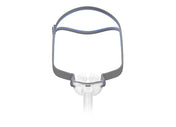
A nasal pillow mask uses small, soft cushion inserts that sit just inside each nostril, creating a direct seal at the nasal opening itself. There is no cushion resting on the bridge of the nose, no frame across the cheeks, and minimal headgear — just two small pillows and a lightweight connecting frame. The ResMed AirFit P10 is a widely used example of this design, known for being extremely light and using a dual-wall cushion that flexes with movement to maintain the seal.
Because the contact area is so small, nasal pillow masks generally offer the least facial coverage of any mask category and tend to be the first choice for patients who specifically want to minimize how much mask they feel on their face.
Comfort, Face Contact, and Claustrophobia
Face contact is often the deciding factor for patients choosing between these two categories. Nasal pillow masks contact the face only at the nostrils, making them the lightest-feeling option and a common choice for patients who feel claustrophobic in masks with more coverage, who wear glasses and want minimal frame near the eyes, or who simply prefer to feel as little equipment on their face as possible.
Nasal masks, while still considerably less coverage than a full face mask, contact a broader area of skin — including the nose bridge and the sides of the nose. Some patients find this broader contact reassuring, as it can feel more secure and less prone to shifting during sleep. Others find the additional surface area, however minimal, less comfortable than the pillow-only approach. Neither preference is more common than the other; it largely comes down to individual comfort and how each design happens to fit a particular face shape.
One consideration specific to nasal pillows is nostril sensitivity. Because the cushion inserts directly into the nostril opening, some patients find this sensation uncomfortable, particularly during the adjustment period when first starting CPAP therapy. Patients who experience this discomfort often find a nasal mask, which avoids any insertion into the nostril, more comfortable despite the larger coverage area.
Pressure Tolerance and Therapy Considerations
The therapy pressure a patient is prescribed can influence which mask style is more comfortable. At higher prescribed pressures, some patients find the concentrated airflow sensation at the nostril opening in a nasal pillow mask more noticeable or intense. A nasal mask's broader sealing surface can sometimes distribute that sensation more evenly, which some patients find more comfortable at higher pressure settings.
This is not a universal rule, and many patients use nasal pillow masks successfully even at higher pressures, particularly when paired with a gradual ramp feature on their CPAP machine. Patients who are unsure which style will suit their prescribed pressure should discuss this with their healthcare provider or CPAP specialist, who can advise based on the specific pressure range involved.
Headgear and Daily Use
Nasal pillow masks tend to use the simplest headgear systems in the CPAP mask category — often a single auto-adjusting elastic strap, like the QuickFit headgear on the AirFit P10, designed to slip on with minimal adjustment. Combined with a minimal frame and few components overall, nasal pillow masks are typically the fastest to assemble, put on, and clean.
Nasal masks generally use a more structured headgear system with multiple adjustment points, designed to support the slightly larger frame and maintain a stable seal across a broader contact area. This can mean a few more seconds of adjustment when putting the mask on each night, though most modern nasal masks — including the AirFit N20 and Nova Nasal — are designed with simplified, intuitive fit systems that do not require strict fitting instructions.
Which Mask Type May Suit You
A nasal mask may be a better starting point if you:
- Prefer a broader, more distributed seal across the nose and surrounding area
- Have sensitive nostrils or find nasal pillow inserts uncomfortable
- Are prescribed a higher therapy pressure and want airflow sensation spread over a wider area
- Want the option to switch between cushion materials, such as silicone and memory foam, within the same mask frame
- Are new to CPAP and prefer the reassurance of a slightly more substantial seal while adjusting to therapy
A nasal pillow mask may be a better starting point if you:
- Want the lightest possible mask with the least facial coverage
- Feel claustrophobic with masks that cover more of the face
- Wear glasses and want an unobstructed view and minimal frame near the eyes
- Are not bothered by a cushion sealing directly at the nostril opening
- Prioritize the fastest, simplest daily assembly and cleaning routine
Explore Specific Mask Comparisons
If you want to compare specific models within or across these categories, the following comparisons may help:
Frequently Asked Questions
What is the main difference between a nasal mask and a nasal pillow mask?
A nasal mask seals around the outside of the nose using a cushion that contacts the nose bridge, sides of the nose, and upper lip area. A nasal pillow mask seals directly at the nostril opening using small cushion inserts, with no cushion resting on the outside of the nose. The nasal pillow mask covers significantly less of the face but has a more concentrated point of contact at the nostrils.
Which mask type is more comfortable, a nasal mask or a nasal pillow mask?
Comfort is highly individual and depends on facial structure, prescribed pressure, and personal sensitivity. Some patients find nasal pillow masks more comfortable because of their minimal facial coverage and light weight. Others find nasal masks more comfortable because the seal is distributed across a broader area rather than concentrated at the nostril opening. There is no universally more comfortable option — many patients try both before settling on a preference.
Can I use a nasal pillow mask if I have a deviated septum or sensitive nostrils?
Patients with a deviated septum, chronic nasal sensitivity, or discomfort from nostril insertion sometimes find nasal pillow masks more difficult to tolerate, since the cushions insert directly into the nostril opening. A nasal mask, which seals around the outside of the nose without entering the nostril, may be more comfortable in this situation. Patients with significant nasal anatomy concerns should discuss mask selection with their healthcare provider or an ENT specialist.
Are nasal pillow masks suitable for higher CPAP pressures?
Many patients use nasal pillow masks successfully at higher prescribed pressures, particularly with a gradual ramp setting enabled on their machine. However, some patients find the airflow sensation more concentrated and noticeable at the nostril opening when pressure is higher, and may find a nasal mask's broader sealing surface more comfortable in that situation. This varies by individual, and your prescribing physician or CPAP specialist can advise based on your specific pressure range.
Can I switch from a nasal mask to a nasal pillow mask without changing my CPAP machine?
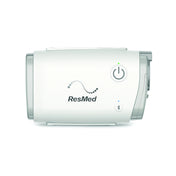
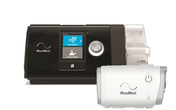
In most cases, yes. Nasal masks and nasal pillow masks both use a standard hose connection compatible with the majority of CPAP machines on the market. Some integrated systems, such as the ResMed AirMini, require a specific setup pack matched to the mask interface you choose, so it is worth confirming compatibility with your specific machine before switching mask types. For most home CPAP machines, switching between a nasal mask and a nasal pillow mask requires no other equipment changes.
Is the AirFit N30i a nasal mask or a nasal pillow mask?
The AirFit N30i is often grouped with nasal pillow masks due to its minimal-contact design and is found in the nasal pillow mask category on many retail sites, but it technically uses a nasal cradle cushion that sits beneath the nose rather than inserting into the nostrils like a true nasal pillow. It shares some characteristics with both categories — minimal facial coverage similar to a nasal pillow, but a sealing mechanism more like a nasal mask without nostril insertion. If the specific sealing method matters to your comfort, review the cushion description on the product page before ordering.
Will either mask type work if I breathe through my mouth at night?
No. Both nasal masks and nasal pillow masks require nasal breathing to maintain an effective seal and deliver full therapy. If air escapes from the mouth during sleep, therapy effectiveness is reduced regardless of which nasal mask category is used. Patients who breathe through their mouth, or who experience mouth breathing during CPAP therapy, should discuss a full face mask or a chin strap solution with their healthcare provider.
Need Help Choosing Between a Nasal Mask and Nasal Pillow Mask?
If you are unsure which mask category suits you, our team is here to help. We can walk through your comfort preferences, prescribed pressure, and facial fit considerations to help you find the right mask for your therapy.
CPAP Machines Canada
Website: cpapmachinescanada.ca
Toll Free: +1 (877) 820-4878
Email: support@cpapmachinescanada.ca